
Individual & Couples Therapy

Therapy for the parts of life that don't come with easy answers.
Therapy offers an opportunity to better understand what you’re experiencing and what may be contributing. At SMJ Wellness, Steph works with individuals and couples to explore the experiences and relationships that have shaped them while identifying what they want to change moving forward.
COLLABORATIVE · INTEGRATIVE · CREATIVE
Individual Therapy
Understanding yourself. Changing what isn't working.
Individual therapy provides space to examine the experiences, relationships, beliefs, and patterns that shape how you move through the world.
Steph works collaboratively with clients to understand what is happening beneath the surface and identify practical ways forward. Her approach is informed by trauma, attachment, and the understanding that meaningful change is rarely about changing one isolated part of your life.
Steph can support you with:
Trauma and complex trauma
Anxiety, stress, and emotional overwhelm
Self-esteem and identity
Life transitions and major changes
Relationship patterns and attachment
Emotional regulation and coping
Body image and eating concerns
Personal growth and self-understanding
The goal isn't to fix you. It's to help you understand how to make choices that move your life in the direction you want it to go.
All services are offered in English and Spanish.
Couples Therapy
The conversations that matter aren't always easy.
Relationships can get stuck. Sometimes couples know they're having the same argument over and over. Sometimes the problem is what they're not talking about.
Couples therapy creates a structured space to look honestly at those patterns, understand what's happening beneath them, and work toward a different way of relating. The work isn't about deciding who is right. It's about understanding what is happening between you, and deciding what you want to do differently.
Steph uses Emotionally Focused Therapy (EFT) to help couples understand attachment needs, strengthen connection, and interrupt cycles that keep them stuck.
Couples therapy may be helpful when you're navigating:
Communication and recurring conflict
Emotional disconnection
Trust and relationship repair
Infidelity
Major transitions
Changes in intimacy or connection
A desire to strengthen your relationship
Trauma-Focused Care
Experienced care for complex experiences.
With more than 25 years of clinical experience, including two decades of working with complex trauma, Steph brings extensive experience to trauma-focused therapy.
Trauma can shape much more than our memories. It can influence how we experience safety, relationships, our bodies, our emotions, and ourselves.
Steph's approach is grounded in collaboration and respect for each client's readiness. Therapy may involve understanding how past experiences continue to show up in the present, developing tools for emotional regulation, and—when you're ready—processing experiences that continue to affect your life.
Trauma-focused approaches include:
Attachment-Focused EMDR
An approach that combines EMDR with an understanding of attachment and relationships to support healing from experiences that have affected your sense of safety, self-worth, and connection.
Cognitive Behavioral Therapy (CBT)
An evidence-based approach that explores the relationship between thoughts, emotions, and behaviors and helps develop more effective ways of responding to life's challenges.
Attachment-focused approaches
Exploring how early and ongoing relationships can influence the ways we connect, protect ourselves, communicate, and experience closeness.
Integrative & Creative Approaches
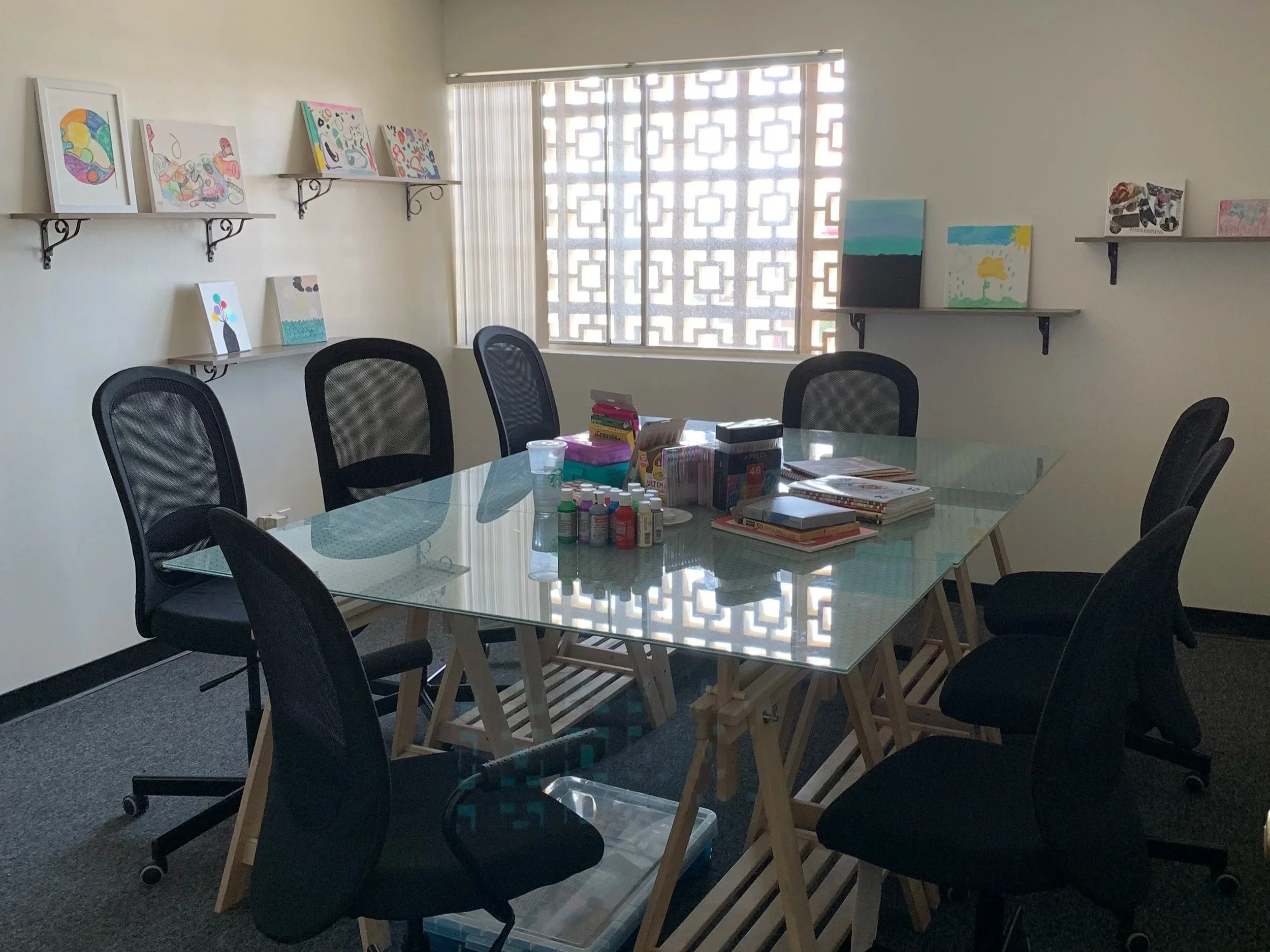
There isn't one way to do therapy: Therapy should fit the person, not the other way around.
Steph draws from evidence-based and creative approaches and adapts her work to each client's needs, goals, experiences, and way of engaging.
-
Expressive art therapy is a form of therapy that uses creative activities—like drawing, painting, Sandplay, spoken word, and writing, — to help people explore and express their feelings, thoughts, and experiences. Unlike traditional therapy, it doesn’t require words; it focuses on self-expression through art and creativity.
How it works:
Emotional Expression – It provides a safe way to express feelings that might be hard to put into words, like anger, sadness, or trauma.
Stress Relief – Engaging in creative activities can reduce stress and promote relaxation.
Self-Discovery – Making art can help people understand themselves better, notice patterns, or gain insight into their thoughts and behaviors.
Processing Trauma – For those with traumatic experiences, art can be a gentle way to explore difficult memories without feeling overwhelmed.
Improved Communication – For children or people who struggle to express themselves verbally, art can be a bridge to share feelings with therapists or loved ones.
Empowerment & Confidence – Creating something can boost self-esteem and provide a sense of accomplishment.
Problem-Solving & Coping Skills – Artistic expression can help people explore solutions to challenges or find new ways to cope with stress.
Expressive art therapy isn’t about making “good” art—it’s about using creativity as a tool for healing and self-understanding.
-
Sandplay is a type of expressive therapy that uses a sandbox, miniature figures, and the creative process to help people express thoughts, feelings, and experiences that may be difficult to put into words.
During Sandplay scenes or worlds are created in a tray of sand using miniature figures like people, animals, houses, trees, and vehicles.
Commonly misunderstood as “just for kids,” Sandplay is a gentle and creative way to explore feelings and experiences safely. It allows unconscious thoughts, emotions, and conflicts to be expressed symbolically. This can help therapists understand what the person is experiencing internally.
Therapeutic benefits include:
Reduced stress and anxiety
Greater emotional expression
Improved problem-solving and self-awareness
Support of trauma processing
-
AF-EMDR is a type of therapy that helps people heal from painful experiences, especially from when they were very young. These experiences can make it hard to trust others or feel safe in relationships.
In therapy, you will:
Feel safe and supported with your therapist.
Learn ways to calm yourself when memories or feelings are upsetting.
Process old painful memories so they don’t feel as overwhelming.
Build a stronger sense of self and feel safer in relationships.
Think of it as retraining your brain and heart to feel safe, loved, and connected.
Who You Are Matters Here
Your identity, culture, spirituality, relationships, body, and lived experiences all influence how you experience yourself and the world around you. They belong in the conversation.
Steph is a body-positive and identity-affirming therapist who provides support around body image, eating concerns, identity, emotional wellbeing, and other experiences that can affect how you relate to yourself and others.
She is committed to creating a practice where clients can bring their full identities and experiences to the work, including their cultural backgrounds, spiritual practices, and LGBTQ+ identities.

Frequently Asked Questions
-
You don't need to be in crisis to begin therapy. You may be navigating a specific challenge, feeling stuck in a pattern, or simply wanting a better understanding of yourself or your relationships.
-
Couples often seek therapy when experiencing:
Frequent arguments or unresolved conflict
Communication challenges
Infidelity or trust concerns
Emotional distance or disconnection
Preparation for major life transitions (parenthood, relocation, career changes)
-
Yes. Steph offers in-person therapy at her Whittier office and virtual therapy throughout California.
-
Yes. Steph offers therapy in both English and Spanish.
-
Sessions are typically 45–50 minutes. Many clients begin with weekly sessions and adjust frequency as their needs and goals evolve. The length of therapy varies from person to person.
-
The duration varies depending on the goals and challenges involved. Some couples see meaningful improvement in a few sessions, while others benefit from ongoing support over several months.
-
No. Therapy moves at your pace. You decide what you're ready to explore, and Steph will work with you to create a process that feels supportive and manageable.
-
Yes. While progress is often smoother when both partners are fully engaged, therapy can still be beneficial if one partner feels unsure. In some cases, individual sessions may be offered initially to support the process before moving into joint sessions.
-
Steph is not paneled with insurance companies but participates with select Employee Assistance Programs (EAPs), including Lyra Health and ComPsych. Private-pay options are also available. Sliding scales are offered to accommodate your needs.
Ready to have a conversation?
You don't need to have everything figured out before reaching out. Start with an honest conversation about what brings you here and what you're looking for.